Unlock Global Connectivity Now With One International eSIM
A traveler steps off a plane in Tokyo and their phone instantly connects to a local network, bypassing airport kiosks and physical SIM cards entirely. That is the power of an international eSIM, a digital SIM profile embedded directly into your device. It allows you to download, activate, and switch between mobile plans from global providers without swapping a physical chip. By scanning a QR code or tapping a link, you gain immediate, affordable data access across borders, making connectivity as seamless as a local.
Why Travelers Are Ditching Physical SIM Cards
Travelers are ditching physical SIM cards for international eSIMs primarily to avoid the hassle of sourcing, swapping, and potentially losing tiny plastic cards while abroad. Instead of fumbling with SIM ejector tools at an airport kiosk, you install a digital profile directly onto your phone before you depart. The key advantage is maintaining your primary number for two-factor authentication while simultaneously activating a local data plan, eliminating roaming fees. Why is this shift happening? It comes down to instant connectivity and convenience: you can switch between regional plans on a single device without needing to visit a store, making multi-country travel seamless and removing the risk of damaging your phone’s SIM tray.
The shift from roaming charges to digital connectivity
Travelers no longer tolerate unpredictable daily roaming fees for patchy access. The shift from roaming charges to digital connectivity is defined by purchasing a local data plan before departure via eSIM. This eliminates the need to swap SIM cards or hunt for Wi-Fi. The sequence is straightforward:
- Select a regional or global eSIM plan on a provider’s app.
- Install the eSIM profile while still at home.
- Activate the data package upon arrival, instantly connecting to a local network without any carrier notification or invoice surprise.
Digital connectivity becomes a flat-rate utility, not a post-trip bill shock.
How eSIM technology simplifies border crossings
With an international eSIM, border crossings become seamless because you can instantly activate a local data plan upon arrival without needing to swap out your physical SIM card. Instead of fumbling with a tiny tray at immigration or searching for a local store, you simply purchase and install the profile beforehand. The activation triggers automatically once you land, providing immediate connectivity for maps, translation, and messaging. This eliminates the common hassle of arriving with no service, enabling a smoother transition through customs and into the new country.
- Before your trip, buy an international eSIM plan covering your destination.
- Install the eSIM profile via a QR code or app while still on Wi-Fi.
- Upon landing, enable the eSIM line; your device connects to the local network immediately.
Key benefits for frequent flyers and digital nomads
For frequent flyers and digital nomads, the primary shift to international eSIMs eliminates the constant hunt for local SIMs after landing. Instant activation upon arrival removes scheduling dead zones.
- They can manage multiple data profiles from one device, keeping a home number active for banking while using a local data plan.
- This allows seamless switching between countries without physical card swaps or risking lost SIMs.
Nomads effectively stack regional eSIMs to avoid roaming fees, while flyers avoid transit-time connectivity gaps entirely.
Choosing the Right Global Data Plan for Your Journey
Choosing the right global data plan for your journey requires matching your itinerary to an international eSIM’s coverage map. Look for a plan that specifically includes every country you will visit, as some “global” plans exclude regions like Africa or the Caribbean. Pay close attention to data speed caps, often listed as “high-speed” limits, because unlimited plans typically throttle to unusable 2G after a threshold. For multi-destination trips lasting over two weeks, a regional plan (e.g., Europe or Asia) often offers significantly better value per gigabyte than a blanket global package. You should also verify whether the plan supports hotspot tethering, as some budget eSIMs disable this feature entirely. Activate the eSIM only after confirming your destination’s network compatibility with your phone model to avoid immediate data failure upon landing.
Comparing regional vs. worldwide coverage options
When choosing an international eSIM, weigh regional plans against worldwide options. Regional plans offer lower per-GB costs if your journey is confined to a specific continent, like Europe or Asia, where data speeds are consistently fast across bordering nations. Worldwide coverage provides seamless connectivity across multiple regions but often at a premium price and with throttled speeds in less common destinations. Logically, if you travel to three or more distinct regions within a single trip, a worldwide plan avoids the hassle of buying separate regional eSIMs. However, for a single-region trip, a regional plan delivers better value per gigabyte without paying for unused global coverage.
Data allowances, speed tiers, and fair usage policies
When evaluating an international eSIM, scrutinize the data allowances and speed tiers beyond the headline gigabyte count. Many plans cap high-speed data—typically 4G/5G—at a threshold, after which speeds drop to 2G or 256 kbps, rendering streaming impractical. Fair usage policies often impose a limit on high-volume usage, such as throttling after a set number of gigabytes in a 30-day period, even on “unlimited” plans. Matching your activity—light maps versus heavy video calls—to the plan’s true sustained speed tier prevents connectivity surprises. Always check the fine print for hotspot allowances, as some plans restrict tethering speeds separately.
Top providers for seamless cross-border access
For seamless cross-border access, top eSIM providers like Airalo and Holafly deliver instant connectivity the moment you land, eliminating physical SIM hunts. Airalo offers granular country-specific and regional plans, letting you top up directly via its app. Holafly stands out with unlimited data options, while Ubigi excels in Japan and Europe with reliable LTE speeds. Global Yo offers multi-network switching to maintain the strongest signal. These providers activate via QR code, keeping your home SIM active for calls.
Top providers for seamless cross-border access prioritize instant activation, app-based management, and network diversity to keep you connected across borders without interruption.
Device Compatibility: What You Need to Know
Before purchasing an international eSIM, verifying your device’s compatibility is non-negotiable. Your phone must be carrier-unlocked and support eSIM technology, which is standard on most iPhones from the XR onward and recent high-end Android models. Simply having a slot for a physical SIM doesn’t guarantee eSIM function; check your device’s IMEI against the provider’s whitelist. Many modern phones allow dual SIM use (physical + eSIM), letting you keep your home line active while traveling. However, older or region-specific models—particularly some Asian or US-carrier variants—may lack support entirely.
A phone locked to a specific carrier will reject any international eSIM, turning travel connectivity into a frustrating gray area.
Always test compatibility before departure to avoid being stranded without a digital data plan.
Checking if your smartphone or tablet supports embedded SIM
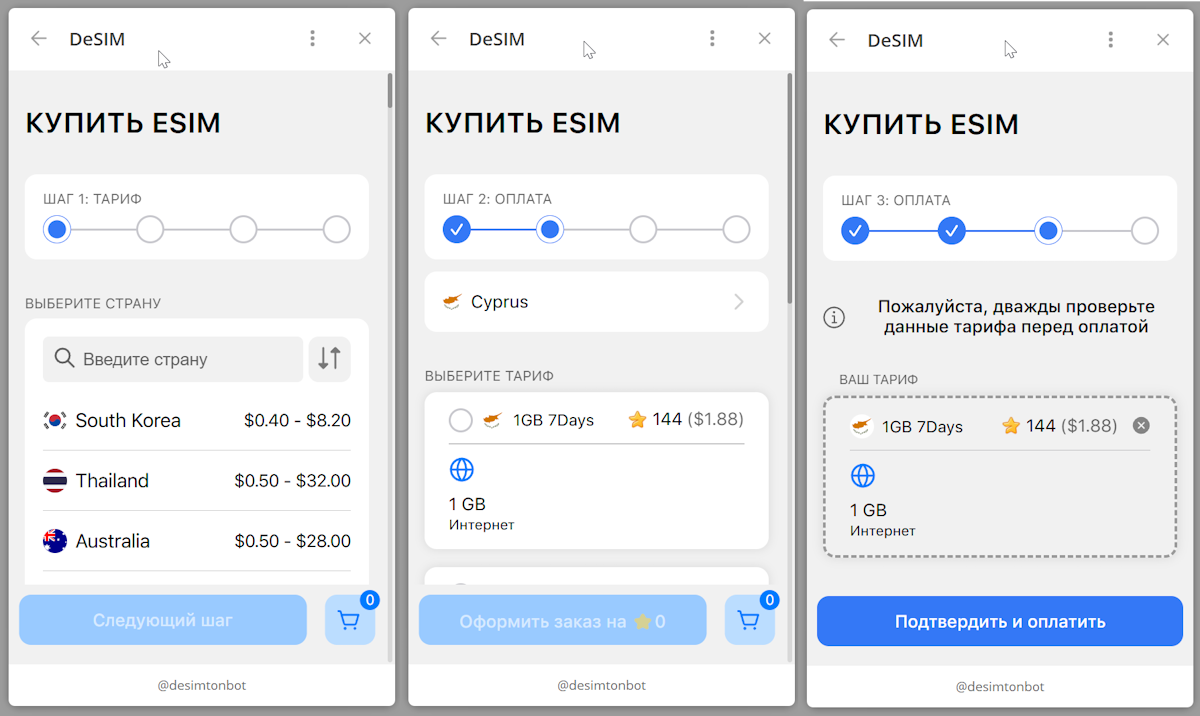
To check if your smartphone or tablet supports embedded SIM (eSIM) for international use, first navigate to your device’s settings menu. On iPhones, go to “Cellular” and look for “Add Cellular Plan”; on Android, check “Network & Internet” then “SIMs” for an “Add eSIM” option. You can also dial *#06#—if an EID number appears, your device is eSIM-capable. Alternatively, consult the manufacturer’s official specifications list under “SIM card type” for direct confirmation.
- Check settings: “Cellular” or “Network & Internet” for an “Add eSIM” or “Add Cellular Plan” option.
- Dial *#06# on your keypad and look for an EID number in the pop-up.
- Verify the device’s official specs on the manufacturer’s website under “SIM” or “Connectivity.”
Unlocked versus carrier-locked devices
Unlocked versus carrier-locked devices critically determines international eSIM viability. A carrier-locked phone restricts eSIM activation to its original provider, blocking foreign eSIM profiles entirely unless you purchase an expensive roaming add-on from that carrier. In contrast, an unlocked device accepts any compatible international eSIM, letting you switch providers instantly upon arrival. Before traveling, verify your device’s unlock status through your carrier’s policies; even if paid off, some carriers require a formal unlock request. Using a locked phone with an international eSIM is simply not possible unless you first obtain a permanent unlock code.
| Aspect | Carrier-Locked | Unlocked |
|---|---|---|
| International eSIM support | No (only carrier’s roaming) | Yes (any compatible provider) |
| Flexibility to switch plans | None while locked | Full control mid-trip |
| Unlock required to use eSIM? | Yes, permanent unlock | Not needed |
eSIM activation across iOS, Android, and newer models
Activating an international eSIM varies by device. On eSIM activation across iOS, Android, and newer models, iPhones typically require scanning a QR code or using a carrier app under Cellular settings. Android phones, like Google Pixel or Samsung Galaxy, often allow direct installation via a QR code or manual entry in the Network settings. Newer models, including the iPhone 14 (US) and Pixel 7, have no physical SIM, relying solely on eSIM. Many phones now support dual eSIMs, enabling simultaneous use of a local and international plan. Always ensure your device is carrier-unlocked and eSIM-compatible before purchase.
- Scan the provider’s QR code from the email or app.
- Manually enter the activation code in settings if QR fails.
- Confirm the device supports dual eSIM for multiple lines.
- Restart the phone after activation to refresh network registration.
Setting Up Connectivity Before You Fly
Before you fly, grab your international eSIM and install it while you still have Wi-Fi—don’t wait till you land. Activate it from your provider’s app or website, then toggle your cellular settings to use the eSIM profile for data. How do I avoid roaming surprise charges? Turn off your primary SIM’s data line, leaving the eSIM active. Check if your eSIM needs a manual APN setup (rare, but double-check). Reboot your phone an hour before departure to finalize the connection. That’s it—your data will kick in the moment you touch down.
Purchasing and installing a digital profile remotely
Purchasing and installing a digital profile remotely involves selecting a data plan from a provider’s website or app before departure, then scanning a QR code to instantly download the eSIM. This process bypasses physical SIM cards, enabling immediate activation upon landing. Remote eSIM provisioning requires a stable Wi-Fi connection for the initial download, and the profile is stored securely on the device, ready to connect to local networks automatically.
- Choose a plan compatible with your destination’s network bands and device.
- Scan the provider’s QR code within your phone’s cellular settings.
- Verify the profile installs without a PIN lock or carrier restriction.

Step-by-step activation without a physical card
Activating your international eSIM without a physical card is a purely digital process. Begin by purchasing a plan from your provider’s app or website, then receive a QR code or direct installation link. On your device, navigate to cellular or mobile data settings to add the new eSIM. For a clear sequence:
- Open Wi-Fi to download the eSIM profile
- Scan the provided QR code or tap the installation link
- Label the new line (e.g., “Travel Data”)
- Set your primary line for voice, the eSIM for data
Ensure the eSIM is set as default for cellular data before your flight departs. That’s everything—no plastic, no waiting, just simple step-by-step activation.
Managing multiple profiles for multi-country trips
Managing multiple profiles for multi-country trips requires organizing eSIMs in your device before departure. Label each profile clearly by region or country, such as “Japan Data” or “Europe 30-Day,” to avoid confusion. Activate only the relevant profile when crossing borders to prevent unintended data charges. Most devices allow holding up to five to ten eSIMs, but only one active at a time. Pre-loading regional profiles ensures seamless switching without scanning QR codes abroad. For trips spanning incompatible coverage zones, keep a backup global profile on standby. Disable automatic network selection so manual profile switching stays predictable.
Cost Comparison: Traditional Roaming Versus Digital SIMs
When you land in a new country, the relief of turning off airplane mode is often crushed by your carrier’s roaming rates. That $10 daily pass feels small until the trip stretches two weeks. Switching to an international eSIM changes the math entirely. You buy a single data plan before departure—say, $15 for ten days—and your phone connects locally the moment you exit the jetway. No more tallying texts or trimming map usage. Traditional roaming charges you a premium for convenience, often costing three times as much per gigabyte. With a digital SIM, you pay the local rate without swapping plastic cards. The real-world saving becomes obvious when your hotel Wi-Fi glitches and you just stream a video without flinching, knowing your eSIM cost per day equals a single coffee, not a single text message.
Breaking down per-gigabyte pricing across regions
When comparing international eSIMs, the biggest eye-opener is per-gigabyte pricing across regions. For example, a global plan might charge $12 per GB in Europe, but that same GB could cost $3 if you buy a regional Asia-Pacific eSIM. You’re not paying for your home carrier’s roaming markup; you’re paying the local network’s wholesale rate. A GB in Japan might run $5, while in India it drops to under $1. The trick is matching the plan to your exact destinations.
Q: Why is per-gigabyte pricing so different between regions?
It depends on local data wholesale costs—some countries have cheap infrastructure, others don’t. Always check the fine print for your specific countries.
Hidden fees and currency exchange considerations
Traditional roaming often buries currency conversion markups within daily charges, applying a 3–5% fee on top of already inflated rates. Digital SIMs typically display prices in your home currency upfront, but some providers still add a hidden spread on the exchange rate when topping up in a foreign currency. Always check if the listed price includes all https://baztel.co/esim-plans/esim-china-mainland conversion costs. Fees for low-usage inactivity or top-up expiry can also negate savings. Choose a provider that locks the exchange rate at purchase to avoid fluctuating costs.
- Verify if the provider applies a foreign transaction fee or hidden exchange margin.
- Check for inactivity fees or expiry penalties on unused data balances.
- Confirm that top-up prices are fixed in your home currency, not variable at conversion.
Long-term savings for extended travel
For extended travel, swapping your physical SIM for an international eSIM unlocks significant long-term savings. Instead of paying daily roaming fees that add up fast, you buy a single regional or global data plan that lasts 30, 60, or even 90 days. This avoids the hassle of topping up or buying new local SIMs in every country. The bulk pricing on multi-country eSIM plans often beats any traditional roaming package when stretched over weeks or months. You pay one flat fee upfront and stop worrying about surprise charges.
An international eSIM turns expensive daily roaming into one manageable, low-cost plan for your whole trip, keeping your budget on track.
Common Pitfalls and How to Avoid Them
A common pitfall is unknowingly purchasing an eSIM that only activates upon first connecting to a network abroad, leaving you without service if your flight lands late or you have a layover. Always verify the activation policy before buying. Another frequent issue is assuming your phone is unlocked, only to find the eSIM fails to provision. Confirm your device’s unlock status and eSIM compatibility with the specific provider’s network bands before departure. Users often exhaust their data quickly by forgetting to disable automatic updates and background app refresh, which can drain the allowance in hours. Opting for a provider with a top-up feature can save you if you misjudge your data needs, as starting over with a new eSIM mid-trip is impractical and costly.
Coverage gaps in remote or less-connected areas
When traveling internationally, coverage gaps in remote areas often render an eSIM useless precisely when you need it most, such as on a mountain trail or a rural highway. These gaps occur because many eSIMs rely on a single partner network with limited regional tower density. To avoid being stranded without a signal, prioritize eSIM providers that offer fallback roaming onto multiple local carriers, which automatically switches to a stronger tower. Pre-downloading offline maps for your entire route is a non-negotiable backup, as data will fail in these dead zones. Always verify a provider’s explicit country-by-country rural coverage map before purchase, not just their city-centric marketing claims.
Battery drain and data throttling concerns
A frequent pitfall of international eSIMs is accelerated battery drain, often caused by the phone constantly seeking a stronger signal on foreign networks, especially if the eSIM provider lacks robust roaming agreements. Additionally, data throttling concerns arise when a “fair use” cap is exceeded, reducing speeds to a near-unusable crawl for streaming or navigation. To mitigate these issues, disable background app refresh for the eSIM line and manually select a preferred network in settings, avoiding automatic carrier scanning which depletes power and triggers throttling warnings over weak connections.
Troubleshooting activation errors and profile glitches
Activation errors often stem from an unstable Wi-Fi connection or an incorrectly scanned QR code—double-check your data source and retry on a strong network. Profile glitches, like a missing carrier setting, typically resolve after toggling airplane mode or manually selecting the eSIM in your phone’s cellular menu. If your new profile fails to load, reinstall the eSIM profile from your provider’s app rather than re-entering the activation code. A quick device restart clears most temporary hiccups. Always keep your provider’s support chat handy for persistent conflicts.
To fix activation errors and profile glitches: ensure strong Wi-Fi, reinstall the eSIM profile, toggle airplane mode, and restart your device.
Best Practices for Staying Connected Abroad
Before departing, install and activate your international eSIM while still on a stable home Wi-Fi network to avoid activation delays. For immediate connectivity upon landing, enable data roaming and set the eSIM as your primary data line in your phone’s settings, keeping your physical SIM active for calls if needed. Monitor your data consumption through your eSIM provider’s app, as exceeding your plan can throttle speeds. Carrying a backup credit card or a small local prepaid SIM can prevent total loss of connectivity if your eSIM faces unexpected technical issues. Disable automatic app updates and background data for non-essential apps to stretch your allowance further.
Backup solutions like portable hotspots and local SIMs
For absolute connectivity, backup solutions like portable hotspots and local SIMs complement an international eSIM. A portable hotspot provides a dedicated, separate network when your eSIM profile fails or depletes data. A local physical SIM, purchased at arrival kiosks, often offers cheaper voice minutes or rural coverage that some eSIMs lack. Always activate the backup device before leaving, test its tethering, and store the SIM ejection tool in your wallet.
- Portable hotspots prevent draining your phone’s battery during eSIM outages.
- Local SIMs bypass eSIM incompatibility with older phones or locked devices.
- Carry a spare nano-SIM as a failsafe if your hotspot’s battery dies.
Using Wi-Fi calling and messaging apps to reduce data use
When paired with an international eSIM, Wi-Fi calling and messaging apps directly minimize cellular data consumption. Offload voice calls and texts to Wi-Fi networks by enabling Wi-Fi calling in your device’s settings, which bypasses the eSIM’s data allowance entirely. For messaging, use apps like WhatsApp or Signal solely on Wi-Fi to avoid draining your eSIM plan. Be aware that handoff from Wi-Fi to cellular can trigger unintended data use if not configured to ask before switching. To maintain control:
- Set messaging apps to send media only over Wi-Fi.
- Disable background app refresh for non-essential apps while roaming.
- Regularly check your eSIM dashboard to confirm data usage remains from Wi-Fi activity alone.
Keeping your home number active while traveling
Keeping your home number active while traveling is super easy with an international eSIM. Instead of swapping out your physical SIM, you simply add a data eSIM to your phone and keep your primary line on for calls and texts. This setup lets you receive important two-factor authentication codes or family messages without roaming charges. Just ensure you disable data roaming on your home line so it uses the eSIM’s data plan. Keeping your home number active this way means you never miss a vital notification, and switching back is seamless when you’re home.
Future Trends in Borderless Mobile Connectivity
Future trends in borderless mobile connectivity are turning international eSIMs into seamless, always-on travel companions. You’ll soon tap into **multi-network switching that auto-selects the strongest local signal**, eliminating dropped connections. Devices will pre-download regional profiles before you land, and a single subscription could manage data, local calls, and streaming across continents without swapping cards. Q: Will eSIMs always find the cheapest network? A: Yes—upcoming profiles will compare real-time rates and latency, favoring budget-friendly options unless you override for speed. Expect payments to unbundle from carriers, letting you top-up gigs via app protocols instead of traditional plans, making roaming feel as local as home wifi.
Emerging carriers and competitive global pricing
Emerging carriers are dismantling legacy pricing models by offering international eSIM plans with region-specific rates that undercut traditional roaming. These providers leverage localized network partnerships to pass savings directly to you. Competitive global pricing now lets you activate a plan for a single country at a fraction of what major operators charge, then toggle to a bulk regional pass as you travel. This cost flexibility means your connectivity budget can now match your exact itinerary, not a flat global fee. Expect leaner carriers to force even established players to adopt more granular, trip-based pricing structures for borderless mobile use.
Integration with IoT devices and travel wearables

International eSIMs enable seamless integration with IoT devices like smart luggage tags and travel wearables, such as GPS trackers or health monitors. These wearables automatically fetch local network profiles upon crossing borders, eliminating manual SIM swaps. This allows a smartwatch to stream real-time navigation or an IoT tracker to log baggage location without relying on spotty Wi-Fi. The eSIM’s remote provisioning ensures these peripherals stay persistently connected, using a single data plan for all devices. Consequently, travelers experience uninterrupted data synchronization between their phone, watch, and luggage sensors, turning each journey into a truly unified, always-on ecosystem.
International eSIMs empower IoT travel wearables with automatic, multi-device connectivity, ensuring real-time data flow from trackers and sensors without physical SIM changes.
Regulatory changes affecting data access across countries
Regulatory changes are reshaping how international eSIM users access data across borders, demanding explicit consent for cross-network data handoffs. You will increasingly face region-specific authentication before roaming, as authorities enforce local data residency rules. Your choice between a local or global data plan now directly hinges on whether the eSIM provider’s jurisdiction allows seamless country-to-country data flow. These shifts mean that a single eSIM profile may no longer guarantee uniform access; instead, regulatory data sovereignty mandates will dictate which networks you can latch onto abroad, forcing you to verify a provider’s compliance with each destination’s data-handling laws before you travel.
What Exactly Is a Global eSIM and How Does It Function?